The Transformation of Creativity: The Impact of Digital Art on Traditional Art Forms


In an ever-evolving world, the advent of technology continues to reshape various aspects of our lives, including the arts. Among the most significant transformations is the rise of digital art, a movement that is blending seamlessly with traditional art forms. As artists explore the realms of AI and web3 art, the impact on traditional mediums is becoming increasingly profound. In this article, we will explore how digital design is redefining the landscape of creative expression and what it means for the future of both digital and traditional art forms.
The Evolution of Art: From Canvas to Code
The relationship between traditional and digital art is not merely one of competition, but rather one of collaboration and convergence. Traditional art has its roots deep in history, showcasing the talents of artists through physical mediums like paint, clay, and ink. In contrast, digital art emerged with the introduction of computer technology, allowing for new forms of creativity that were once unimaginable.
Today, artists can use software tools to create stunning visuals, animations, and 3D sculptures that push the boundaries of traditional methods. As software becomes more advanced, incorporating elements of AI, the possibilities for artistic expression are limitless.
The Rise of AI in Art Creation
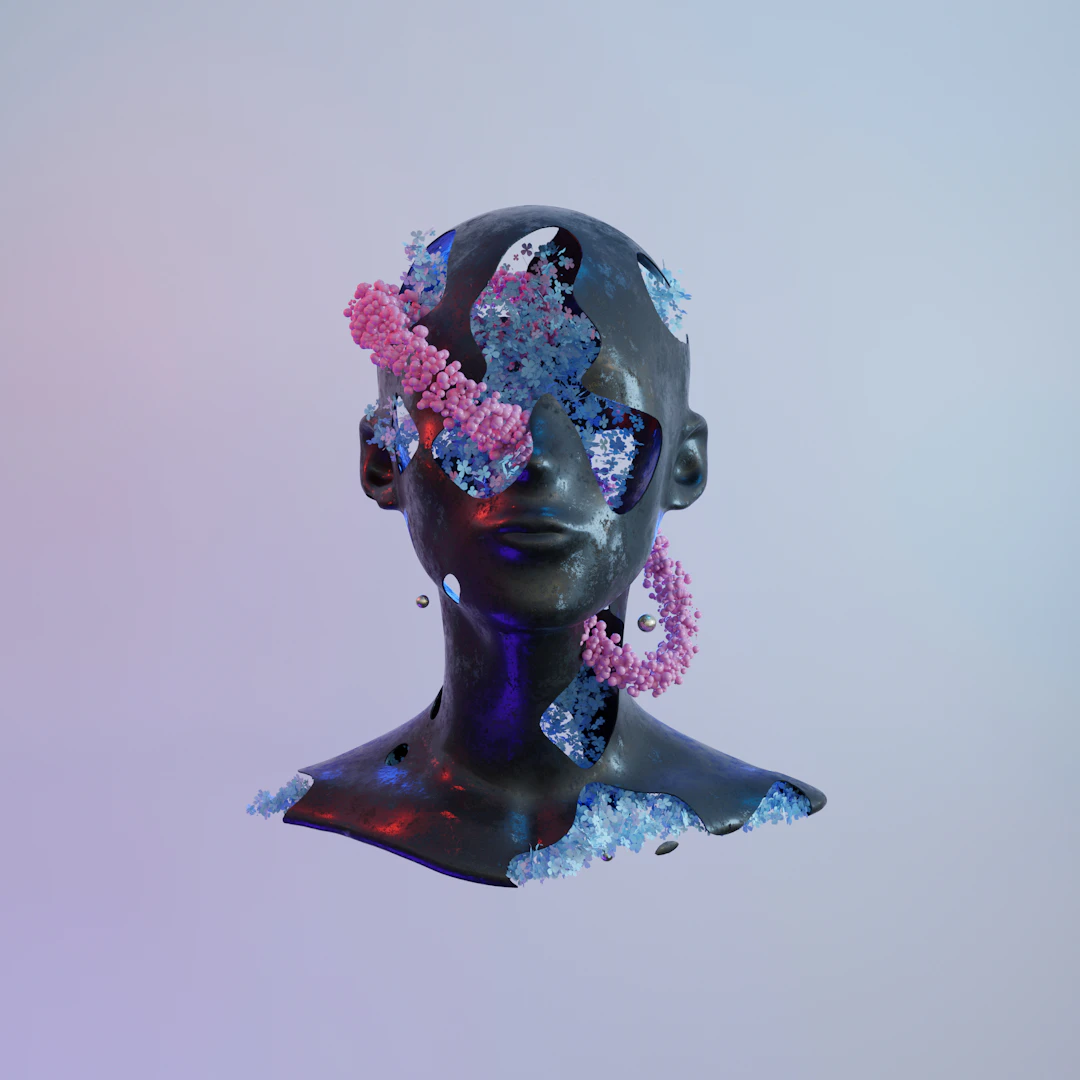
AI Art is not just a buzzword; it has become a genuine phenomenon that challenges the fundamentals of artistic creation. Artists are now using algorithms and machine learning to augment their creativity, creating works that involve human input and automated processes.
Creative Collaboration: Artists using AI tools can collaborate with machines to create unique pieces of art, resulting in outcomes that blend human emotions with computational efficiency.
Expanded Creativity: By automating labor-intensive processes, artists are freed up to focus on the creative aspects of their work, exploring new avenues of thought.
Alternative Perspectives: The incorporation of AI provides artists with a new lens through which to view their projects, offering them insights that would have otherwise remained unexplored.
Web3 Art: The Future of Artistic Ownership
The birth of web3 technology heralds a new dawn for artists and fans alike, particularly concerning ownership and distribution. Web3 art leverages blockchain technology to ensure that creators receive due credit and compensation for their work, opening the door to myriad opportunities.
With digital art increasingly gaining traction, collectors are now investing in digital designs as they do with traditional pieces. The integration of digital art into the blockchain enables secure ownership verification, allowing for authenticating and selling digital assets as non-fungible tokens (NFTs).
Bridging the Gap Between Digital and Traditional Art
Although traditional artists may feel threatened by the rise of digital art, the reality is that both forms can coexist and complement each other. Emerging hybrid techniques combine traditional methods with digital enhancements, creating unique artistic experiences that resonate with a broader audience.
For example, many painters are now utilizing digital tools for planning their pieces or creating initial sketches, which they then translate onto canvases. This fusion allows them to benefit from the efficiency of digital design while maintaining a tactile connection with their materials.
The Accessibility of Digital Art
Digital art offers unprecedented access to creative expression for aspiring artists around the globe, leveling the playing field. Unlike traditional art forms that often require years of training and significant investment in materials, digital design tools are becoming increasingly user-friendly and affordable.
Inclusivity: The ease of access means that more individuals, regardless of background or financial situation, can explore their artistic abilities.
Community Creation: Online platforms and social media channels enable artists to share their work and connect with like-minded individuals, fostering collaborative communities.
Challenges of Digital Art
While digital art offers many benefits, it is not without its challenges. The rapid pace of technological advancement can be overwhelming, with new tools and techniques emerging daily.
Additionally, the democratization of art through technology raises questions about originality and authenticity. As artists experiment with AI Art and other tools, the notion of what it means to create becomes increasingly complex.
Integrating Digital and Traditional Arts in Education
The fusion of digital art and traditional methods highlights the need for incorporating digital literacy into art education. By exposing students to both forms, future generations can appreciate the value of diverse artistic mediums while encouraging innovative approaches to creativity.
Encouraging Exploration: Art programs should inspire students to explore the intersections between AI, digital design, and traditional forms.
Building Skills: By developing skills in both traditional and digital methods, students will be better equipped to navigate the evolving art landscape.
Fostering Innovation Through Collaboration
The blending of digital art and traditional forms offers many opportunities for interdisciplinary collaboration. Artists, technicians, and theorists can join forces to push boundaries and create entirely new art forms. By engaging with each other’s expertise, they can produce innovative works that redefine the very notions of art.
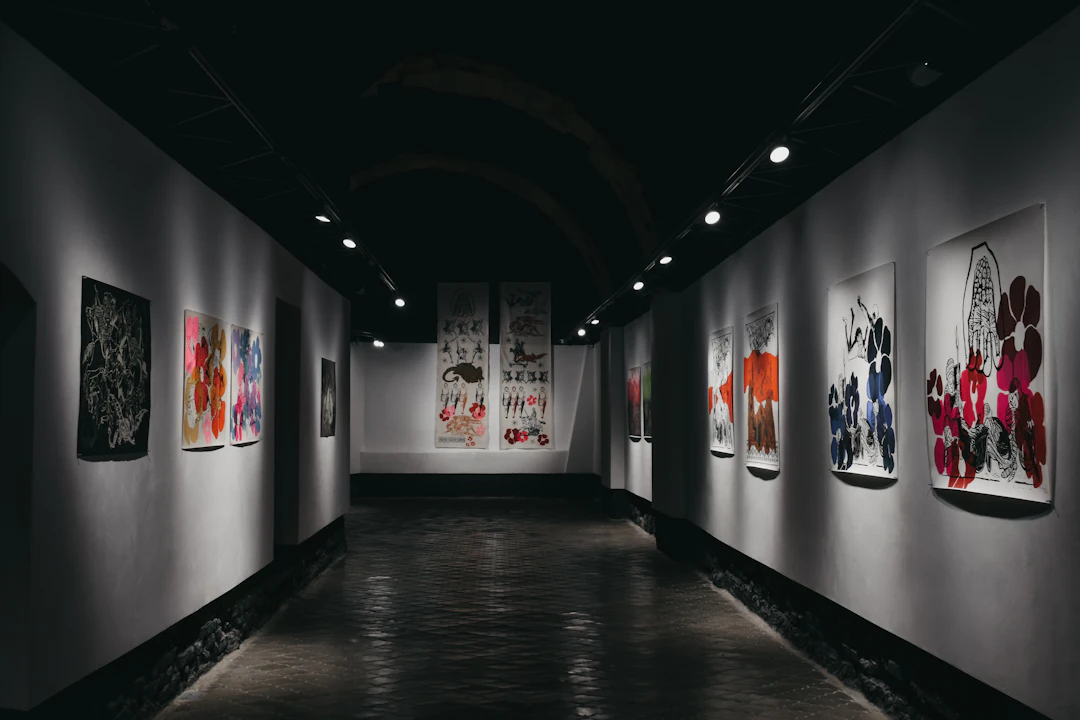
For instance, galleries can feature interactive art installations that utilize web3 art, wherein guests can curate their own experiences. Such endeavors encourage an ongoing dialogue about the future of art and its place in society, blurring the lines between creator and consumer.
Embracing Traditional Techniques in a Digital World
As the landscape of art continually evolves, it's essential for digital artists to remain grounded in traditional techniques. Understanding the history, context, and techniques associated with traditional art forms can inspire and enhance digital design practices.
Many artists cite their traditional backgrounds as crucial to informing their digital work. Skills such as color theory, composition, and understanding material behavior can translate quite effectively into the digital realm, leading to richer and more meaningful creations.
The Future of Art: An Exciting Blend of Mediums
The impact of digital art on traditional art forms is undeniable, as each continues to shape and inspire the other. With emerging technologies such as AI making waves in the art world, the future holds immense potential for creative expression and exploration.
As we venture further into a digital age, artists and art enthusiasts alike must embrace the opportunities and challenges that arise from this dynamic interplay. By remaining open to new techniques while valuing the traditions that have come before, we can foster a thriving, inclusive art community that celebrates the best of both worlds.
Art Beyond Boundaries: The Road Ahead
The journey of art is far from over. With each innovation comes a wave of new possibilities that challenges our perceptions, broadens our experiences, and deepens our understanding. In a world where digital art and traditional forms continue to intersect, we find ourselves embarking on a creative adventure that transcends boundaries.
So let’s cultivate an appreciation for both digital design and classical skills, as they offer a glimpse into a vibrant artistic future. By supporting artists who navigate this complex but beautiful landscape, we can ensure that creativity flourishes in all its forms, defining the art world for generations to come.
FAQs
What is the main focus of the article?
The article discusses how digital art is transforming traditional art forms and explores the impact of technology, particularly AI and web3, on creative expression.
How does AI influence art creation according to the blog?
AI influences art creation by enabling artists to collaborate with algorithms, automating labor-intensive processes, and providing new perspectives in their artistic endeavors.
What is Web3 art and why is it significant?
Web3 art uses blockchain technology to ensure authorship and compensation for artists, allowing for secure ownership verification of digital assets, including NFTs.
How can digital and traditional art forms coexist?
Digital and traditional art forms can coexist by incorporating hybrid techniques, where artists use digital tools alongside traditional methods to enhance their creations.
What challenges do artists face in the digital art landscape?
Artists face challenges such as the rapid pace of technological advancement and questions about originality and authenticity in a democratized art world.
Comments