The Tools of the Trade: Essential Software for Digital Artists


In the dazzling universe of digital art, where creativity meets technology, the right software can be your most powerful tool. As a digital artist, you’re not just creating images; you’re crafting experiences. Whether you’re working in web3 art or simply exploring the latest trends in AI art, understanding the software that aids your creative journey is crucial for your success. In this article, we’ll delve into the essential software tools that every digital designer should consider incorporating into their workflow.
The Importance of Software in Digital Design
The realm of digital design is broad, ranging from illustrations and animations to complex 3D models. The choice of software can significantly impact your creative process, enhancing your ability to express ideas effectively. Here are some key reasons why software choices matter:
Innovation: New software tools are frequently introduced, often powered by advanced technologies like AI, providing creators with cutting-edge features.
Efficiency: The right programs can streamline your workflow, allowing you to focus on creativity rather than technical challenges.
Collaboration: In a world increasingly dominated by web3 art, collaborative tools can foster community and teamwork among artists.
Core Software Categories for Digital Artists
When it comes to selecting software, it’s essential to consider various categories that align with your artistic goals. Below, we explore some crucial software categories for digital artists:
1. Digital Painting Software
Digital painting software has come a long way, offering your canvas a range of textures, brushes, and palettes that imitate traditional painting methods. These programs are designed specifically for artists who want to create stunning AI art or classic digital illustrations. With features that support layers, blending modes, and customizable brushes, digital painting software gives you the freedom to experiment and bring imagination to life.
2. Vector Graphics Software
For artists focusing on illustrations that require scalability without loss of quality, vector graphics software is a must-have. This type of software allows for sharp and clean designs that are perfect for logos, icons, and web graphics. Moreover, artists turning towards web3 art may find vector graphics particularly beneficial due to their versatile applications in various formats.
3. 3D Modeling Software
As the digital art landscape evolves, so does the demand for 3D modeling. This software category allows artists to create three-dimensional objects, rendering them for games, animations, and virtual reality experiences. With the rise of AI technologies, 3D software increasingly incorporates intelligent tools that can assist in modeling, texturing, and rendering.
4. Animation and Motion Graphics Software
For those venturing into animation, software that specializes in animation and motion graphics is paramount. Whether you aim to craft intricate storylines or simple animated elements, these tools offer timelines, templates, and sound integration that allow your projects to come alive. Additionally, incorporating AI can optimize the animation process, making it smoother and faster.
5. Photo Editing Software
While primarily used for photography, photo editing software is invaluable for digital artists looking to manipulate and enhance images. It facilitates a plethora of functionality, from correcting colors to adding artistic flair. This software can seamlessly integrate with digital painting and design applications, allowing for a more cohesive creative workflow.
Exploring Emerging Technologies in Art
Today, the integration of advanced technologies such as AI into digital art has transformed the creative landscape. Below are several emerging technologies that digital artists should consider exploring:
1. Artificial Intelligence Tools
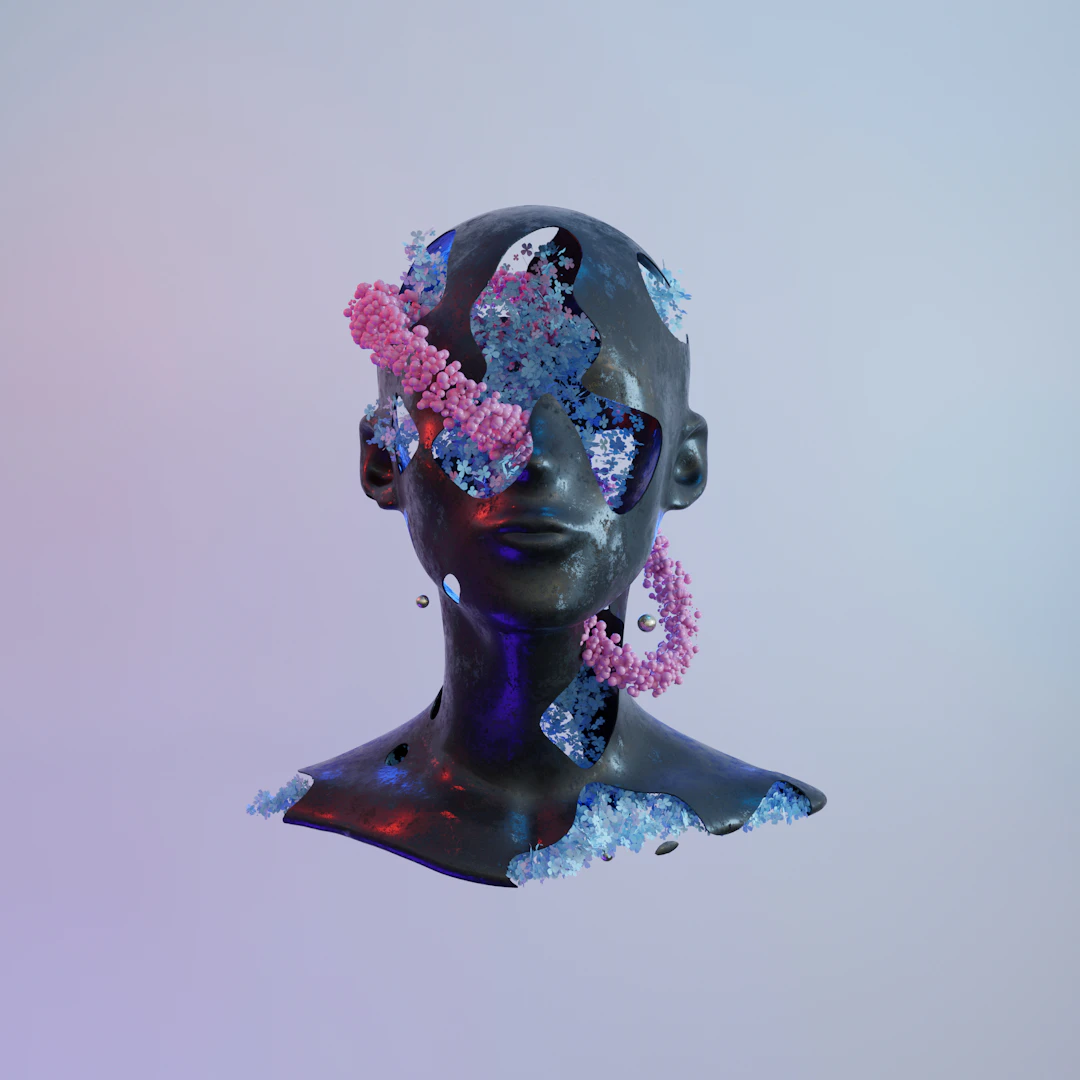
The influence of AI on digital art continues to grow. From generating images to automating repetitive tasks, AI tools can enhance creativity. Artists experimenting with AI art find inspiration and efficiency in these powerful systems that analyze and replicate artistic styles. These tools are redefining what it means to create art, offering a blend of human creativity and machine precision.
2. Augmented Reality (AR) and Virtual Reality (VR)
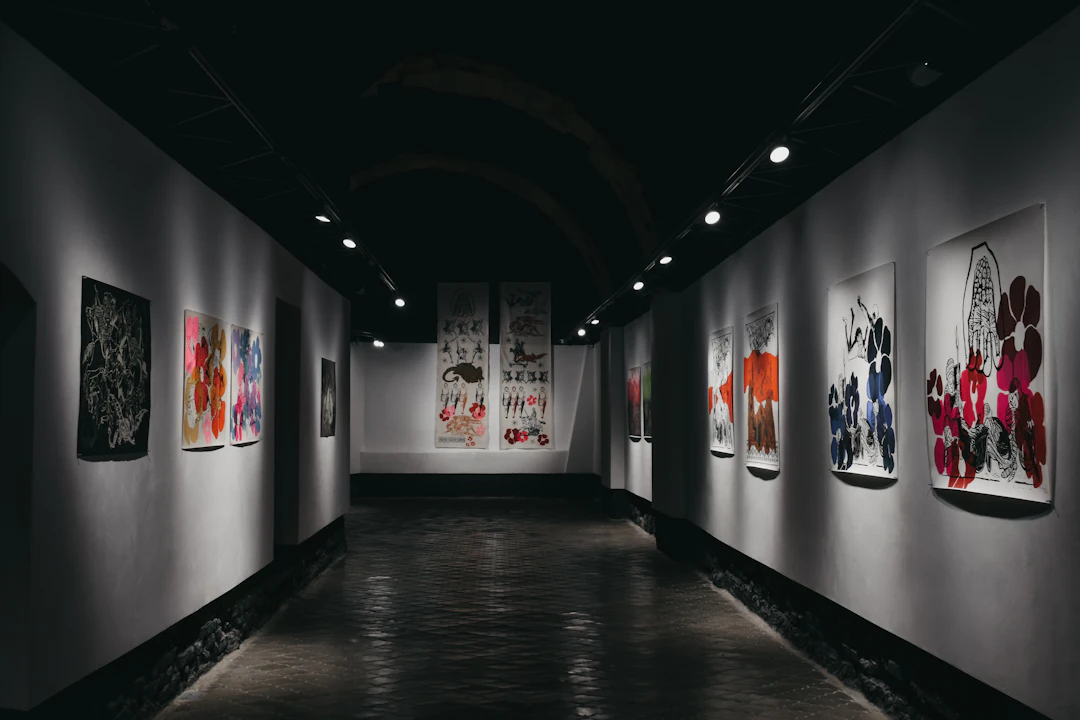
As web3 art gains traction, incorporating AR and VR into your workflow can open new avenues for expression. These technologies allow artists to create immersive experiences, showcasing art in revolutionary ways. Imagine stepping into a virtual gallery where your art interacts with viewers, or enhancing your physical artworks with AR elements. The possibilities are limitless!
3. Blockchain Technology
In the world of web3 art, blockchain technology plays a pivotal role. Artists can tokenize their work, offering unique pieces that prove ownership and authenticity. This democratization of art through blockchain can transform the way artists and collectors engage, establishing new revenue streams and empowering creators.
Integrating Software and Creativity
While having the right software is essential, it’s equally important to integrate these tools seamlessly into your creative process. Follow these best practices:
1. Develop a Workflow
Establishing a workflow tailored to your style can significantly enhance your productivity. Identify the software tools you rely on most and find ways to integrate them efficiently. For instance, combining photo editing software with digital painting can produce striking results that leverage the strengths of both platforms.
2. Explore Online Communities
Platforms that cater to digital artists are rife with resources, including forums, tutorials, and collaborations. Engage with other creators to gain insights, share tips, and discover new software. Communities often have discussions on the latest trends in AI art and digital design that can keep you informed and inspired.
3. Continuous Learning
The landscape of digital art is ever-evolving. Invest time in continuous learning by taking online courses or attending workshops focused on your favorite tools. Familiarizing yourself with updates and new features is vital for keeping your skills sharp.
The Creative Future Awaits!
As a digital artist, the tools you choose can significantly influence your creative journey. Embrace the shift towards AI technologies, explore the possibilities of web3 art, and find software that enhances your vision. Remember, the intersection of creativity and technology offers an exciting frontier as you carve out your unique space within the digital art realm. The future of artistry is bright, and your creativity is poised to thrive!
Let the world of digital design inspire you as you navigate your path as an artist, and may your passions be expressed through the incredible software at your fingertips.
FAQs
What is the importance of software in digital design?
The software choices in digital design significantly impact the creative process by enhancing innovation, improving efficiency, and fostering collaboration among artists.
What are the core software categories for digital artists?
The core software categories for digital artists include digital painting software, vector graphics software, 3D modeling software, animation and motion graphics software, and photo editing software.
How can emerging technologies like AI enhance digital art?
Emerging technologies like AI can enhance digital art by generating images, automating repetitive tasks, and providing inspiration and efficiency that blend human creativity with machine precision.
What role does blockchain technology play in web3 art?
Blockchain technology allows artists to tokenize their work, ensuring ownership and authenticity, while transforming engagement between artists and collectors and creating new revenue streams.
What are some best practices for integrating software into the creative process?
Best practices include developing a tailored workflow, exploring online communities for resources and insights, and committing to continuous learning through courses or workshops.

Comments